.png)
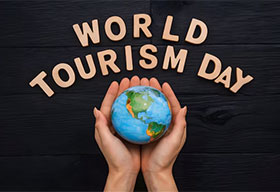
World Tourism Day, observed every year on September 27-2026, highlights the importance of tourism in connecting people, supporting economies, creating employment and encouraging cultural exchange. As the global travel industry continues to evolve, tourism is moving beyond traditional sightseeing and becoming closely linked with wellness, heritage, adventure, technology, infrastructure and sustainable development.
Tourism brings together a wide range of industries. Airlines, hotels, restaurants, transport operators, travel agencies, tour companies, entertainment businesses and local retailers all contribute to the visitor economy. Governments and destination authorities also have an important role in developing infrastructure, improving connectivity, protecting cultural assets and creating conditions for tourism businesses to grow. For World Tourism Day 2026, the occasion offers an opportunity to look beyond visitor numbers and understand how tourism can create wider economic and social value for destinations and communities.
Tourism Is Becoming More Than a Journey
 Tourism has become an important contributor to economic activity because visitor spending reaches businesses across different sectors. A traveller may spend on flights, accommodation, food, transportation, attractions, shopping and experiences during a single trip. This creates demand for businesses ranging from large hospitality groups to small local enterprises.
Tourism also generates employment opportunities. Hotel employees, tour guides, drivers, chefs, travel planners, event professionals, artisans and destination managers all form part of the wider tourism ecosystem.
The sector can also support infrastructure development. As destinations attract more visitors, there is greater demand for airports, roads, railways, public transportation, accommodation and digital services. This makes tourism closely connected with infrastructure planning and destination management.
India’s Tourism Economy Is Expanding
 India provides a significant example of the scale of the tourism ecosystem. According to the Ministry of Tourism's tourism dashboard, India recorded 4,286.90 million domestic tourist visits and 25.27 million foreign tourist visits in 2025. The same official data reports tourism's contribution to India's GDP(Gross Domestic Product) at 5.22%, while approximately 84.63 million direct and indirect jobs were associated with tourism.
Domestic tourism remains particularly important to India's travel economy. Religious tourism, family holidays, weekend travel, cultural tourism and regional trips allow visitor spending to reach destinations across the country.
The Ministry of Tourism's India Tourism Data Compendium 2025 reported 2,948.19 million domestic tourist visits in 2024, compared with 2,508.82 million in 2023. The figures demonstrate the scale of domestic travel and its importance to hotels, restaurants, transportation providers and local businesses.
India's diversity also gives the country opportunities to develop different tourism segments. Heritage cities, beaches, mountains, wildlife destinations, pilgrimage centres and wellness locations attract different categories of travellers.
The Next Phase of Travel Is Built Around Experience
 Travellers are increasingly looking beyond conventional sightseeing. Wellness retreats, Ayurveda, culinary tourism, adventure activities, cultural experiences, nature-based travel and rural tourism are becoming important parts of the tourism landscape.
Heritage tourism continues to attract visitors through historic monuments, temples, forts, architecture and traditional cultural practices. At the same time, lesser-known destinations can create new opportunities by developing experiences around local food, crafts, festivals and natural attractions.
Wellness tourism is another growing area. Destinations offering Ayurveda, yoga, meditation, spa services and nature-based wellness experiences can attract visitors seeking longer and more experience-focused stays.
Business travel also contributes to tourism. Meetings, incentives, conferences and exhibitions bring visitors who require hotels, transportation, event venues, restaurants and other professional services. Large sporting events and international conferences can similarly generate demand across several tourism-related industries.
This changing demand means destinations increasingly need to understand what visitors want from their travel experiences rather than focusing only on increasing arrivals.
Growth Must Also Protect Places and Communities
 Tourism growth can create economic opportunities, but destinations also face challenges when visitor numbers increase rapidly.
Natural resources, heritage sites, transportation systems, waste-management facilities and local communities can experience additional pressure.
Sustainable tourism seeks to balance tourism development with environmental and social considerations.
This can involve responsible resource use, biodiversity protection, waste management, heritage conservation and greater participation from local communities.
UN Tourism has emphasised the wider responsibility that comes with the growth of the tourism sector.
“The growing significance of the tourism sector for our societies and our economies brings with it extra responsibility.” — Zurab Pololikashvili, Secretary-General, UN Tourism.
The statement reflects the broader challenge for the industry: Tourism can generate economic activity while also requiring destinations to consider environmental protection and long-term community interests.
Rural tourism provides one example. Smaller communities can benefit from visitor spending through homestays, local food, handicrafts, guiding services and cultural experiences. At the same time, tourism can encourage the preservation of traditional practices and local heritage when development is managed responsibly.
Technology Is Reshaping How People Travel
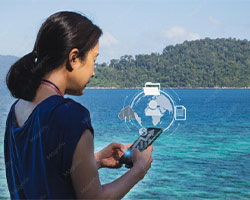 Technology has changed almost every stage of the travel journey. Travellers can now research destinations, compare hotels, book flights, purchase tickets, discover attractions and make payments through digital platforms.
Mobile applications, online booking systems, digital payments and destination-marketing platforms have become important tools for tourism businesses. These technologies can also help businesses understand visitor preferences and improve customer services.
Data and artificial intelligence are being explored across areas such as demand analysis, customer support, itinerary planning and personalised travel recommendations. However, technology continues to work alongside human hospitality and local knowledge, which remain important to the overall visitor experience.
For destinations, digitalisation can also improve accessibility. Online maps, multilingual information, digital ticketing and real-time travel updates can make it easier for visitors to plan and navigate their journeys.
The Future of Tourism Depends on Responsible Growth
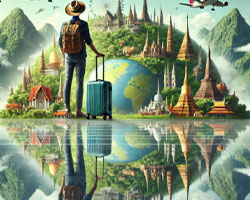 Tourism's future will depend on how destinations balance growth with sustainability, infrastructure, technology and community participation.
Better connectivity can open opportunities for smaller destinations, while improved infrastructure can support growing visitor numbers. This also creates opportunities for consultants and professional service providers working in infrastructure planning, destination development, hospitality, transportation, sustainability and technology.
Tourism development increasingly requires coordination between governments, businesses, local communities and professional service providers. Destination planning can determine how attractions are connected, how visitors move through a region and how local businesses participate in the tourism economy.
For businesses, changing traveller expectations also mean that simply offering accommodation or transportation may not be enough. Destinations and tourism companies are increasingly developing complete experiences that combine accommodation, food, culture, entertainment, nature and local activities.
World Tourism Day 2026 therefore comes at a time when tourism is being shaped by several major changes. Travellers are seeking more meaningful experiences, destinations are looking for sustainable growth, businesses are adopting digital tools and communities are seeking greater participation in tourism opportunities.
The future of tourism is not only about bringing more people to a destination. It is also about creating experiences that benefit visitors, businesses and local communities while protecting the places and cultures that make destinations unique.
As the world observes World Tourism Day on September 27, the occasion provides an opportunity to recognise tourism as a broad economic and social ecosystem - one that connects people, cultures, businesses and communities while creating opportunities for growth and development.