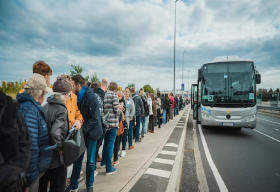
 Private bus travel is becoming increasingly expensive for passengers heading home for Diwali, with ticket prices on some Indian routes reportedly reaching ₹7,000. The sharp increase in fares has triggered complaints from travellers, prompting the Pune Regional Transport Office (RTO) to intensify inspections of private bus operators during the festive season.
With Diwali falling on November 8, demand for intercity transportation has increased as working professionals, students and families plan their journeys. Passengers travelling from cities such as Pune and Mumbai have reported significant increases in ticket prices, with some claiming that operators are charging two to three times their usual fares.
According to reports published on November 4, tickets on certain routes have reached between ₹6,000 and ₹7,000. Some passengers have also shared their booking experiences on social media, questioning the affordability of private bus travel during one of India's busiest festive periods.
Pune RTO Steps Up Action Against Overcharging
Responding to passenger complaints, the Pune RTO has launched a special enforcement campaign targeting private contract carriage bus operators. The inspection drive is scheduled to continue until November 20, 2026, covering the peak Diwali travel period and the subsequent return journey rush.
Under Maharashtra's existing fare regulations, private contract carriage buses are permitted to charge a maximum of 1.5 times the corresponding Maharashtra State Road Transport Corporation (MSRTC) fare for a similar category of service. Operators collecting amounts beyond this permitted limit can face regulatory action.
Explaining the enforcement measures, Pune Deputy Regional Transport Officer Swapnil Bhosale told :
"We have launched a special inspection campaign to prevent private travel operators from charging passengers more than the fares permitted under the government regulations."
The RTO has also increased monitoring through inspection teams. According to the department's reported enforcement figures, around 250 private buses had been inspected, with action initiated against 20 operators found violating the prescribed fare regulations.
Passenger Safety Also Under Inspection
The enforcement campaign extends beyond ticket pricing. Officials are checking whether private buses have valid permits, follow authorised passenger capacity limits and carry mandatory safety equipment.
Bus operators are also required to display fare charts inside their vehicles, allowing passengers to understand the applicable ticket prices. These checks are intended to improve transparency and ensure that increased festive demand does not compromise passenger rights or road safety.
The department has urged travellers to report suspected overcharging and other violations rather than accepting excessive ticket prices. Passengers should retain their booking details and ticket photographs to support complaints submitted to the authorities.
Festive Travel Demand Puts Pressure on Transport
The situation highlights the challenges of managing India's seasonal travel demand, particularly when large numbers of people travel within a limited period. When train reservations become difficult and flight tickets become expensive, private buses often serve as an alternative for passengers travelling between cities.
However, rising ticket prices can place additional financial pressure on students, families and working professionals who need to travel during festivals.
The Pune RTO's enforcement campaign will remain in place until November 20. Its effectiveness will depend on continued inspections, passenger awareness and action against operators who violate the prescribed fare limits.
As the Diwali holiday approaches, affordable and safe transportation remains an important part of ensuring a smoother festive travel experience.