.png)
 India has taken a step toward creating a more connected digital tourism ecosystem with the launch of the National Digital Tourism Stack, an initiative aimed at making tourism services easier to discover and access online.
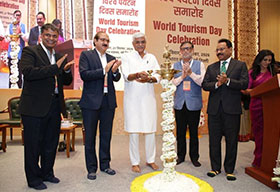
The initiative was launched by Gajendra Singh Shekhawat, Union Minister for Tourism and Culture, during the World Tourism Day 2026 celebrations at Bharat Mandapam in New Delhi on September 27. The Ministry of Tourism is developing the initiative in collaboration with the Open Network for Digital Commerce (ONDC), with support from the International Centre for DPI Innovation and Advancement (ICDIA).
The National Digital Tourism Stack is designed to connect different parts of the tourism sector through digital infrastructure. This includes tourism experiences, homestays, accommodation, transport and other services that travellers may need while planning a trip.
The initiative aims to make the travel-planning process less fragmented. At present, travellers often use different platforms to search for accommodation, transportation, activities and local experiences. The new system is intended to make these services easier to discover and access through a more connected digital network.
Gajendra Singh Shekhawat, Union Minister for Tourism and Culture, said, “Tourism is no longer just about visiting places, today’s travellers seek authentic experiences—local cuisine, local art, local traditions and meaningful connections that create memories, not merely photographs.”
23,000 Tourism Experiences and Homestays
A key part of the initiative is the planned onboarding of 23,000 tourism experiences and homestays by 2028. The target includes 14,000 tourism experiences and 9,000 homestays.
Tourism experiences can include activities such as heritage walks, cultural programmes, local food experiences, boat rides, adventure activities and other destination-based experiences. Homestays can give travellers accommodation options operated by local hosts.
The digital network is also expected to support features such as verified identities and supplier credentials, search and discovery, digital payments, ratings and grievance redressal. These features are intended to make tourism services easier to find and provide travellers with more information about participating providers.
For smaller tourism businesses, the initiative could provide another digital route to reach travellers. Local guides, homestay operators and experience providers can potentially gain greater visibility when their offerings become available through connected digital platforms.
Promoting Lesser-Known Destinations
The launch was also linked with Dekho Apna Desh 2.0, which focuses on encouraging tourism across a wider range of Indian destinations.
The programme aims to promote places beyond India's most established tourist centres, including destinations with cultural, heritage, coastal, mountain and pilgrimage attractions.
The government also plans to work with states, Union Territories and tourism businesses to develop bookable itineraries that can combine accommodation, transport, meals and local experiences.
Gajendra Singh Shekhawat also highlighted the importance of creating tourism opportunities beyond conventional destinations, with the initiative seeking to connect travellers with more authentic local experiences.
Pilot Planned for 2027
The National Digital Tourism Stack is planned to be implemented in phases. Development and preparation are scheduled during the latter part of 2026, followed by a pilot phase from January to June 2027. Wider onboarding is planned from July 2027 through December 2028.
For travellers, the initiative could make it easier to discover stays, activities and local experiences. For tourism businesses, particularly smaller providers, it is intended to improve digital visibility and access to potential visitors.