.png)
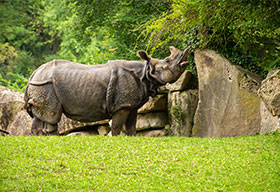 Kaziranga National Park and Tiger Reserve in Assam has entered its 2026–27 wildlife tourism season, welcoming visitors after its annual monsoon closure. The park officially reopened on October 3, 2026, with jeep safaris resuming and elephant safaris expected to return soon. The latest October 6 travel update puts the spotlight on the renewed safari season and the experiences now available to visitors.
The reopening was formally marked at the Central Kohora Range by Assam Environment and Forest Minister Jayanta Mallabaruah, along with other officials. The new season is expected to attract wildlife enthusiasts from across India and overseas to one of Assam’s most important tourism destinations.
Jeep Safaris Return Across Kaziranga
Jeep safaris are currently the main way for visitors to explore Kaziranga. The reopening began in phases, with the Central Range at Kohora and Western Range at Bagori among the areas reopening first. Other ranges are expected to resume operations in phases.
Safari entry is available in two daily slots: 7:30 am to 10:00 am and 1:30 pm to 3:00 pm. Visitors are advised to plan their safari bookings in advance, particularly during the busy tourism season.
Elephant safaris are not yet operating alongside the jeep safaris. Officials have said elephant rides are expected to resume after the necessary preparations, with reports indicating a return within the coming weeks.
“The resumption of jeep safaris offers tourists another opportunity to experience the park’s extraordinary biodiversity and witness wildlife in its natural habitat,” - Jayanta Mallabaruah, Assam Environment and Forest Minister.
Why Kaziranga Closes During the Monsoon
Kaziranga’s annual closure is closely connected to Assam’s monsoon conditions. The park lies across the floodplains of the Brahmaputra, with grasslands, wetlands and riverine areas forming a major part of its landscape. Heavy monsoon rainfall can lead to flooding and make forest tracks difficult and unsafe for safari operations.
The seasonal break also gives the natural landscape a period with reduced tourist activity. This is why several wildlife parks across India temporarily close or restrict tourism during heavy monsoon months.
With the monsoon period ending and the new tourism season beginning, visitors can once again enter the park under regulated safari operations.
More Than the One-Horned Rhino
Kaziranga is particularly famous for the greater one-horned rhinoceros, but the park offers much more for wildlife enthusiasts. Its landscape supports Royal Bengal tigers, Asian elephants, wild water buffalo, eastern swamp deer and a wide variety of birds.
The park covers about 858.98 sq. km and extends across the Assam districts of Golaghat, Nagaon and Biswanath. Its location beside the Brahmaputra creates a distinctive combination of grasslands, wetlands, forests and riverine landscapes.
For travellers hoping to explore the principal areas of the park, Assam Tourism recommends allowing around two to three days to experience its four main ranges: Central, Western, Eastern and Burapahar.
Planning a Kaziranga Trip
Kaziranga is located in Northeast India in Assam. The main tourist gateway is Kohora, while the park is approximately 217 km by road from Guwahati and around 95 km from Jorhat, which has the nearest airport. The nearest railhead is Jakhalabandha, about 50 km from Kohora.
According to Assam Tourism, November to April is generally the best period to visit Kaziranga, with particularly good sightseeing conditions from late February to early April.
With the 2026–27 season now underway, travellers can once again plan jeep safaris through Kaziranga’s grasslands and wetlands, look for its iconic rhinos and other wildlife, and experience one of Northeast India’s most distinctive natural destinations.