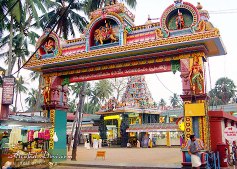
The Attukal Bhagavathy Temple, one of the ancient temples of South India, is popularly described as
Sabarimala of the Women, as women form the major portion of devotees. The Goddess in the temple
of Attukal is worshipped as the Supreme Mother, creator of all living beings and the mighty
preserver as well as destroyer of them all. The pilgrims from all over the country, who visit Sree
Padmanabha Swamy Temple and worship the Lord, do not consider their visits complete without the
visit to the shrine of the supreme Mother Attukalamma. Vishnumaya took the incarnation of
Bhagavathy to annihilate the evil and protect the good in the world in the present Era namely
Kaliyuga.
An atmosphere of festivity prevails everyday a the Attukal Bhagavathy Temple. Poojas arranged by
devotees as also Bhajan, Kodi Archana, Leksharchana, Akhandanamajapam (continuous chanting of
the names of Goddess) are conducted almost everyday. All important days of religious observances
are celebrated here. Very important among them are:
1. Mandala Vratham - Festival in connection with the annual Utsavam of Sabarimala
2. Vinayaka Chathurthi - Pooja to the Lord Ganapathy
3. Pooja Vaypu - Identical to Dussera festival (Saraswathy Pooja and Vidyarambham)
4. Sivarathri - Siva Pooja
5. Karthika - (Devi's star) in November - December - Karthika Deepam
6. Ayilya Pooja - Milk, flowers etc. offered to serpent God and special rites.
7. Aiswarya Pooia - On all fullmoon (Pournarni) days
8. Nirayum Puthariyum (Ramayana Parayanam) - During the month of Karkidaka
9. Akhandanama Japam - 4th Sunday of every month
'Ponkala' is the most important festival of Attukal Bhagavathy Temple. The offering of Ponkala is a
very special temple practice in the southern part of Kerala. The ten-day- long celebration commences
in the Malayalam month of Makaram-Kumbham (Feb - March)on the Karthika star. Ponkala
ceremony is on the auspicious day of Pooram star which coincides with full moon. The festival
commences with the musical rendering of the story of the Goddess (Kannaki Charitam) during the
"Kappukettu ceremony". The story invokes the presence of Kodungallur Bhagavathy and the slaying
of the Pandyan King. The song will continue for all the nine days preceding Ponkala. The event of
the Goddess annihilating the Pandyan King is accompanied by much sound and fury of the temple
drums and "Vaykurava" by devotees, immediately followed by the lighting of the hearths for the
preparation of the offering for the Goddess. This festival commemorates the victory of Good over Evil,
by the slaying of Pandyan King. Throughout the festival an atmosphere of celebration and festivity
prevails and there are the solemn observances such as regular conduct of Bhajans, musical concerts,
ballets depicting folk and temple arts etc. in the temple premises. This is symbolic of the philosophy
that human and divine affairs are inter-woven so minutely in all its disquisitions. Processions of
colourful floats of the deity from all around, carried with pomp and devotion by the devotees
congregating in the temple premises provides a pleasing experience.
On the 9' day of the festival, it would appear as though all roads in and around Thiruvananthapuram
city lead to the Attukal Temple. The entire area of about 5 Kilometres radius around the temple,
with houses of people of all caste, creed and religion open fields, roads and commercial institutions
emerge as a consecrated ground for observing Ponkala ritual for the lakhs women devotees
assembling from different parts of Kerala and outside. This ceremony is exclusively confined to
women folk. It is a delightful sight to see waves after waves of women of all age groups without caste,
colour and creed surging into this area well in advance mostly carrying on their head materials such
as firewood, earthern pots rice, jaggery, coconut etc. to mark out specific spots for the preparation of
their offerings to the Goddess. The important ritual in the 'Ponkala' is the preparation of rice or
varieties of sweet rice using hearths and the earthern pots in the open. The signal for lighting -the
hearth is given by the chief priest of the temple at a prefixed auspicious time followed by the
humming of the temple drums.
The ceremony concludes with the sprinkling of holy water by temple priests at the appointed time in
the evening accompanied by an aerial showering of flowers to the honour and glory of the Goddess
Almighty. The temple authorities make all necessary arrangements for the welfare of this huge
congregation with the active participation of the voluntary agencies, local people, members of the
festival committee and the various government departments. They ensure law and order in the area
with the support of the police and the volunteers specially detailed for the purpose. The enormous
crowd which gathers here is reminiscent of the huge gatherings of the Kumbha Mela festival of
North India.

.png)