How Hospitality Management Shapes Employee Onboarding
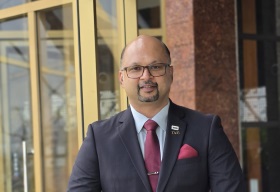
Dr. Balaji A.R., General Manager, Ramada Encore by Wyndham Kochi Kalamassery
Dr. Balaji A.R. is General Manager of Ramada Encore by Wyndham Kochi Kalamassery. His 25-plus years in hospitality span hotel operations, pre-openings, service culture and team development. He created NeuroHospitality™, which applies behavioural science to hospitality, and wrote The Sacred Art of Welcoming. He shares leadership reflections through Friday Leadership Reflection videos and Wednesday Decode carousels. He writes the newsletter The Life of a Hotel — From Dream to Legacy and publishes The Excellence Blueprint, exploring what hospitality professionals can learn from the habits and qualities.
In an interaction with Tharani Sambu, SEO Content Writer at SiliconIndia Travel, Dr. Balaji A.R. shares how hotels can create a welcoming first-day experience for new employees through effective onboarding, first-shift handovers and team support.
Starting your first job at a hotel can be an exciting experience. HR gives you clear instructions, welcomes you by name, and walks you through the brand standards. The induction ends just as your department gears up for a busy lunch. When you go to report for duty, your assigned buddy is already working. Someone tells you to wait near the service station. You stand there, watching everyone move around, unsure who to approach or if it’s even the right time to ask for help.
Hotels are used to handling early guest arrivals. The front office explains the situation, offers a place to wait, and ensures someone checks in later. The same care matters when a new team member moves from a structured induction to a busy department.
Many branded hotels have a structured onboarding program. This often covers joining formalities, grooming and safety briefings, a property tour, brand training, and a buddy assignment. These steps give new colleagues key information and help the hotel maintain standards. But problems can arise during the handover. Even with a perfect induction, a new colleague might still arrive on the floor not knowing who is expecting them or what they should do next.
Unspoken First-Day Questions
For someone new to hospitality, excitement and anxiety often go hand in hand. They have practical questions like where to change, where to eat, and how to read the roster.
Underneath, there are tougher questions: Will people here take me seriously? Can I ask for help without feeling embarrassed? What happens if I make a mistake?
The first day starts to answer some of these questions. When a supervisor introduces a new attendant by name and explains what they will learn, it helps them feel part of the team. But a sarcastic answer to a simple question might make them hesitate to ask again. In a hotel, that hesitation matters. If a trainee feels comfortable checking a room instruction or clarifying a guest request, the team can fix misunderstandings before they affect the guest.
The physical environment also matters. Try walking from the staff entrance to the changing room and cafeteria as if it’s your first time. Is it easy to find your way? Are the changing rooms clean, and is there a comfortable place to eat? The state of these spaces shows new colleagues how much the hotel values its staff. A warm induction speech means more when the staff areas show the same care.
“The same ‘wow’ moment we create for guests should be created for employees on their first day. Sometimes it is as simple as having someone there who knows your name and is expecting you.”
First-Shift Handover
HR can include the handover in the induction schedule by confirming the reporting time and who will receive the new colleague. The department head should check that the assigned buddy is actually on the roster. If a group arrival or banquet takes that person away, the department should have a backup ready. In a busy hotel, this is where a good program is tested. The person welcoming the new colleague should know what has already been covered and what the colleague still needs to learn on the floor.
The department head should introduce the new colleague and explain what a good first shift looks like. The buddy can then guide them through one task. In housekeeping, this could mean walking through one room with an experienced attendant and learning what to check before it’s ready. In food and beverage, it might mean setting one table and learning who to ask if a guest has a question they can’t answer. Give feedback in private and explain why the standard is important. A small success gives the new colleague something to build on for the next day.
Before the shift ends, the supervisor can ask, “What was clear today, and what did you have to figure out on your own?” The answer might show that the property tour covered staff facilities, but the colleague still didn’t know when to take a meal break. The supervisor can fix the immediate issue. Then HR and the department can decide if the next induction, roster, or handover needs to change.
Beyond the Welcome
A thoughtful first day helps build trust. The first busy breakfast or first mistake will show if that trust lasts. At the end of the first week, the supervisor can ask which tasks the colleague can now do alone and where they still need help. HR’s follow-up gives another perspective.
Some new employees may be more open about how they were treated or how comfortable they felt asking for help when speaking with someone outside their reporting line. When HR and department heads review feedback together, they can see if a problem comes from the induction, a shift handover, or daily routines on the floor.
Pay, schedules, supervision, and chances to learn all matter to someone deciding whether to stay. Owners and general managers can add a simple question to the induction checklist:
“Who received our last new colleague, and what did that person experience after HR handed them over?”
If the answer changes by department or shift, you know where to look for the gap.
Some people starting their first shift today will eventually lead teams themselves. They’ll have many chances to learn what hospitality looks like for guests. On that first morning, we can show them what it feels like to receive hospitality themselves.
Read More:
CURRENT ISSUE